|
 |
|
Home > Sex Toy Guides > Penis Pumps
|
| |
|
|

What are they? How do they work?
Do they enlarge the penis?
Why would I use one?
How would I use one?
Are there any risks involved?
What are they? How do they work?
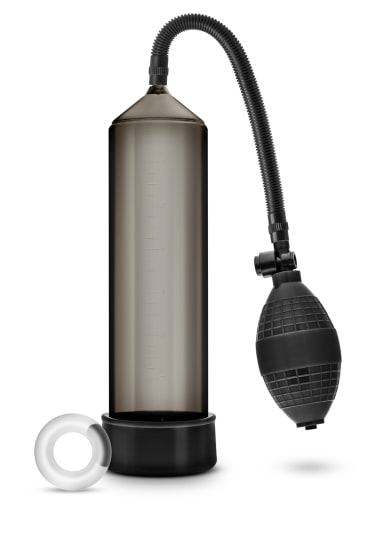
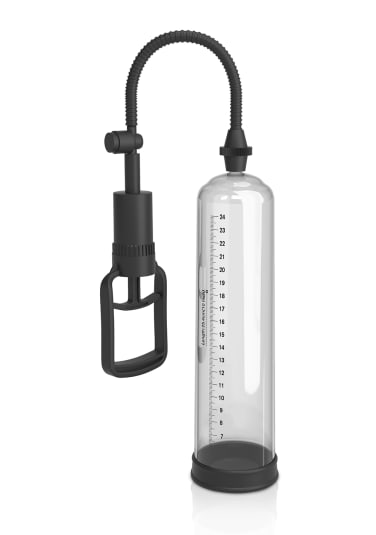
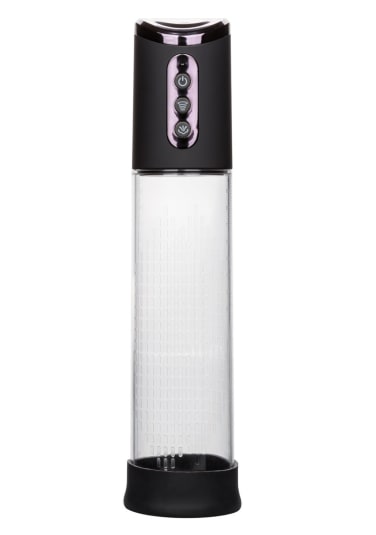
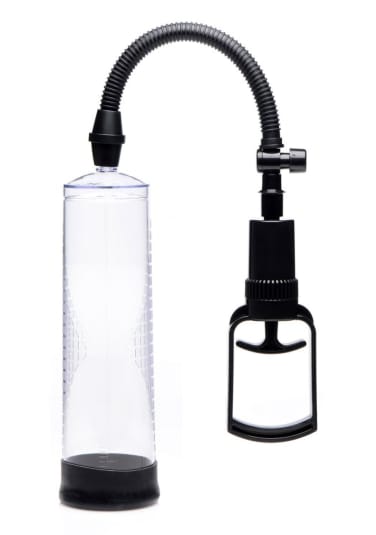
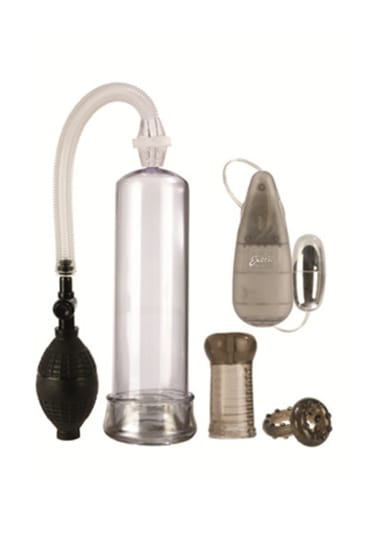
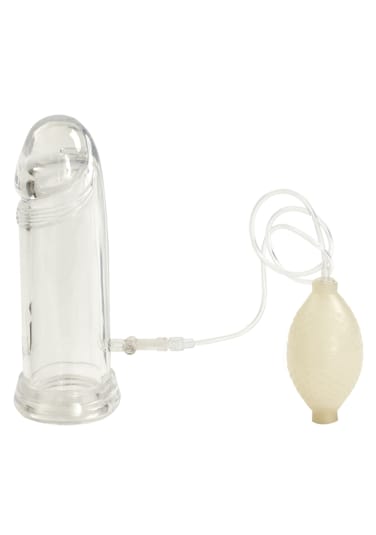
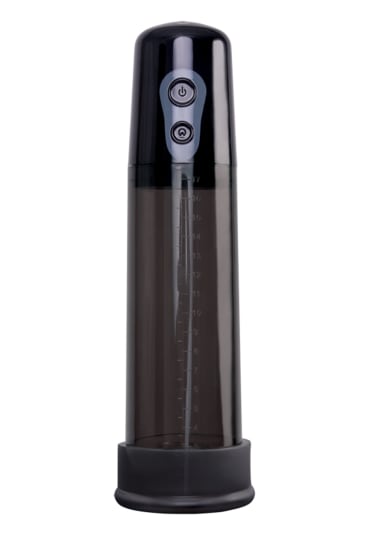
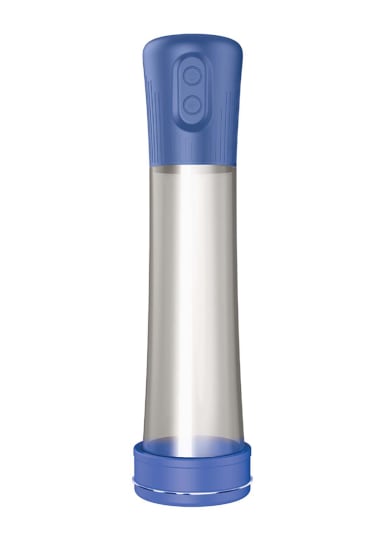
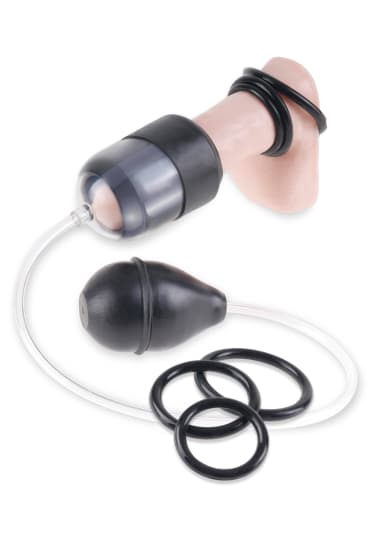
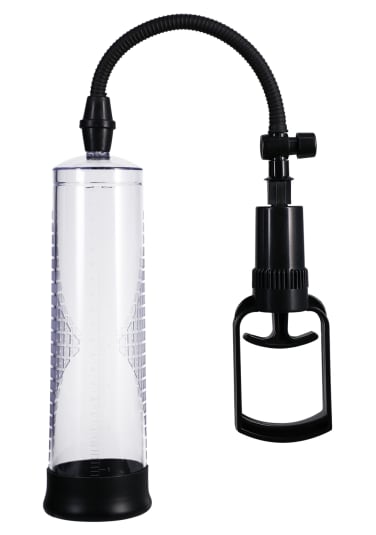
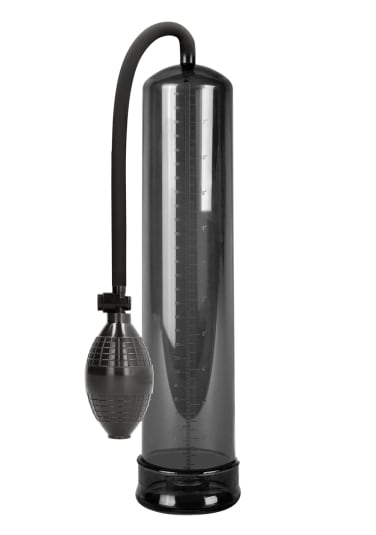
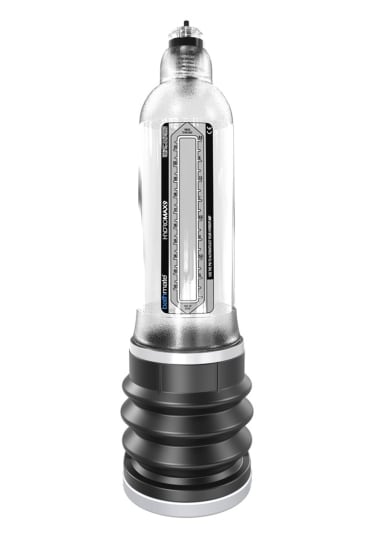
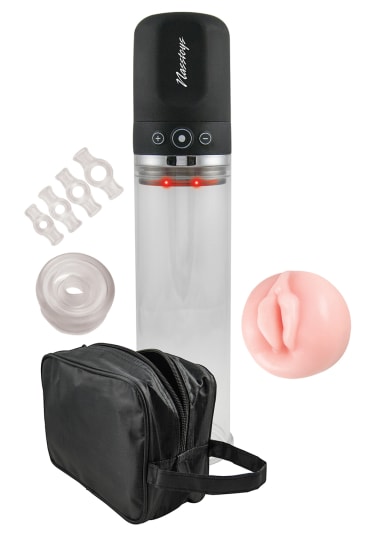
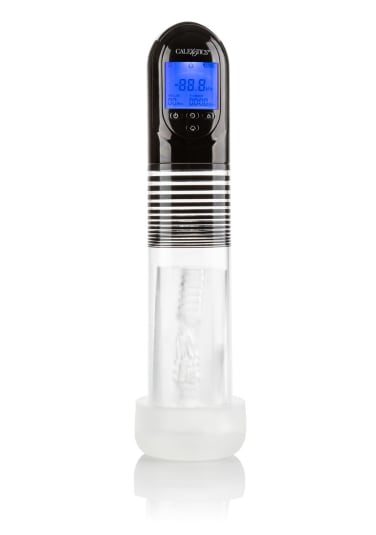
A penis pump consists of a plastic cylinder that has a hose attached to a
vacuum apparatus. When you place your penis in the cylinder and activate the
pump, the vacuum sucks the air out of the tube, which increases the flow of
blood into the penis and causes it to become stretched out in the tube.
Pumps can have different mechanisms by which to create the vacuum:
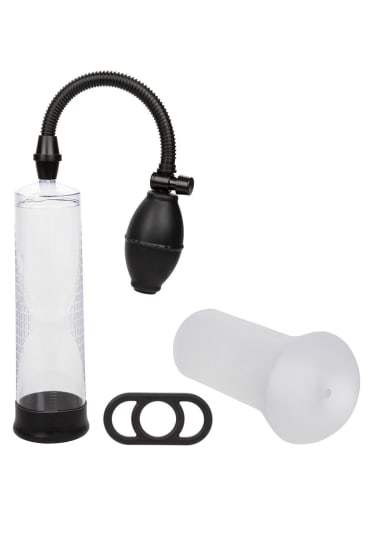
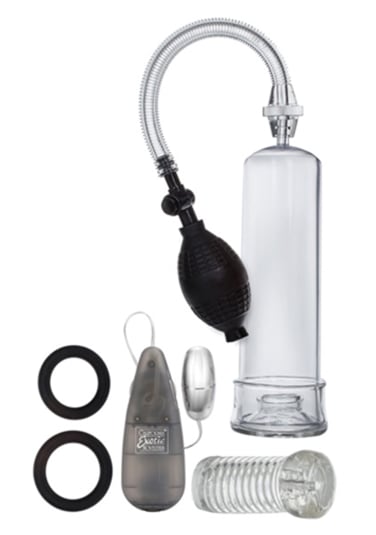
Rubber Bulb. The most common style, similar to a blood pressure cuff
Plunger. Much like a bike tire pump
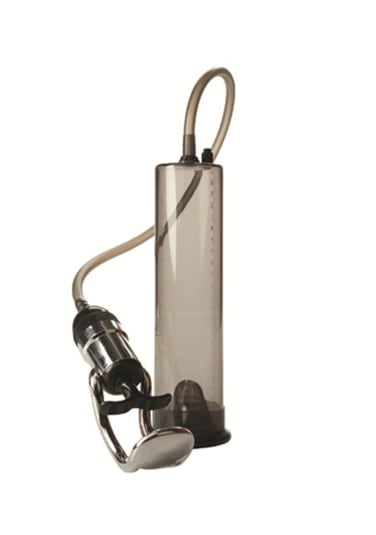
Hand Grip. Some users believe this allows better pressure regulation
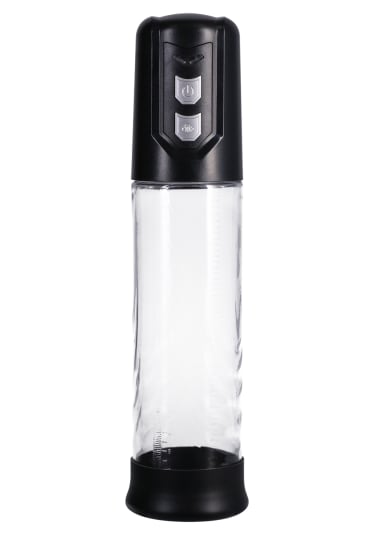
Electric or Battery. Hands-free
No matter how the vacuum is created, all pumps have a quick release button
for safety. DeepMemories carries a number of different models of penis
pumps.
Do they enlarge the penis?
For a short while after pumping, you will have a larger shaft. Serious,
persistent penis pump users have proven that over time, a penis can be
permanently enlarged.
Why would I use one?
For pleasure/recreation. The pump creates powerful suction on the penis that
drives many men wild. Some men really get off on the sight of their cocks
all juiced up and stretched out in the tube while pumping. Because of the
intensity of the sensation, pumping may appeal to those into BDSM. A pump
can be incorporated into your sex life in many ways, either during solo play
or with a partner.
For medical reasons: According to the FDA, a penis pump may help you get and
maintain an erection if you have erectile dysfunction (ED) or impotence. You
could try creating an erection with a penis pump, then slip on a
cock ring to help you keep your woody. Some believe it creates a harder
erection without the use of prescription drugs like Viagra. If you have ED
or impotence, see a doctor to avoid a potentially harmful delay in
diagnosing some of the causes of this condition. Also, not everyone with ED
should use a pump, so before using one please consult a physician (and
perhaps also your favorite hottie dressed up as one.)
How would I use one?
SLOWLY! First, read and follow all operating and safety instructions that
come with your pump. Next, locate and know how to use the quick release
button. Now you are ready to begin:
Lube. Slather a generous amount of a water-based lube like
Wet Original Gel Body Glide
all over your penis and especially around the base. Apply more around the
base of the cylinder. All this lubing will help create an airtight seal. You
may also want to consider shaving around the base of your penis so the hair
doesn’t interfere with the seal.
Insert penis. Stick your shaft into the cylinder. Press the base of the
cylinder firmly against your body to create a seal. Leave your testicles
hanging out; do not put them in the tube.
Pump. Begin pumping very slowly and gently, a little at a time. You will
feel the pressure increase and more blood flowing into your penis, causing
it to become erect. Be careful. Stop if you feel any discomfort at all, or
detect any bruising or excessively bulging veins. Make use of the quick
release valve if necessary. Pump only until your cock is fully hard—newbies
should pump no more than ten minutes, and even seasoned veterans should
probably stop at twenty minutes. Once finished, you can clean most pumps
with soap and water.

Are there any risks involved?
If you use the pump as directed, it is extremely unlikely that you will
experience any problems. However, if you keep the pump on your cock too
long, use it too often, or pump up too quickly, it may result in bruising,
damage to blood vessels, and ligament damage. We’re not just talking a cock
hickey; we’re talking painful, ugly, permanent damage. Use a pump
responsibly, and not while your judgment is impaired in any way. Caution
will get you further than cockiness.
Obviously, consult your physician if you experience any complications while
using a pump, and discontinue pumping if the problems persist. As always,
this article does not replace the advice of physician.
|
|
|
|
 |
|